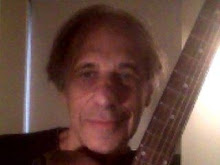
I also continued to listen at home to more vinyl records on my small, cheap portable record player, whenever I wasn’t, instead, listening to FM rock radio stations on my cheap portable radio. In late 1970, you could still sign a coupon indicating you wanted to join one of the corporate music company’s “record clubs”; and the record corporation would then mail you out 10 free vinyl albums. I also began listening in my cheap, Bronx slum apartment to the many Folkways records that I could take out for free at the Donnell Public Library on 53rd Street, between Fifth and Sixth Avenue—which was located only a few blocks away from the Writers Guild-East talent union office at which I worked.
Besides taking records out of the Donnell Library around this time, I also would sometimes stop by at the local branch of the Bronx Public Library that was near Fordham Road every few weeks and re-read some of the classic books that I had previously skimmed through while in high school and college, such as Walt Whitman’s Leaves of Grass and Thoreau’s Walden.
By early December 1970, the campus turmoil of the post-Kent State Massacre/post-Jackson State Massacre historical period was beginning to seem like ancient history, since the U.S. campuses were now politically quieter in the Fall term of 1970 than they had been in either the Fall terms of 1966, 1967, 1968 and 1969. And there had been very little anti-war youth protest on the streets prior to the November 1970 U.S. congressional elections. But while bringing the Writers Guild office postage meter to the Rockefeller Center branch of the U.S. Post Office to receive some more postage value for the postage meter, I noticed that some of the U.S. anti-war activists with whom I had done campus organizing at Columbia University, when I was a Students for a Democratic Society (SDS) student activist there, now had their photographs posted on the Rockefeller Center post office branch wall in “Most Wanted By The FBI” notices!
Naturally, I felt it was both morally wrong and historically absurd for J. Edgar Hoover to put the same anti-war activists I had worked politically with for three years on his “Most Wanted By The FBI” list. So I immediately felt, in late 1970, that the U.S. anti-war Movement should then demand that the “Weather Fugitives”, who were my friends, should be granted amnesty and taken off the “Most Wanted By The FBI” list. And by 1976, most of the charges against the anti-war activists who were on the “Most Wanted By The FBI” list in late 1970 had been dropped because of the illegal methods (like office break-ins and burglaries) that the FBI agents apparently used to try to track these New Left anti-war activists down prior to 1975.
Thursday, November 20, 2008


Wednesday, November 19, 2008
Writers Guild Office Boy 1970 (ix)
Another folk song written in the Bronx slum apartment, “Walkin’ In New Haven”, contained the following lyrics:
“Walkin’ in New Haven
I saw you
And hitchin’ in the country
I thought of you
And ridin’ on the railroad
I dreamt of you…”
The following lyrics were contained in another folk song, “Newark Was A Town” that was written around this same time:
“Newark was a town
Where I did roam
And Newark was a town
Where many were killed
And Florrie and Lynn
I see you
Speaking to the students at Rutgers U.
I was wondering just what you do
And why not burn down all of their schools?...”
The “Old John Brown,” “Livin’ On Stolen Goods” and “Give It All Up” protest folk songs were also written in the Bronx slum apartment during this April 1970 to August 1971 period. In addition, during this same period the “Lala’s Song” protest folk love song was also written that contained the following lyrics:
“Oh, Lala was a woman who crossed to the other shore
And Lala, you know, I sure wish you were here
You sure knew how to rap, I’d kill if you gave the word
And Lala, you know, it’s time to use our swords.
(chorus)
So get your guns
Jail the pigs
Jail them all
We’re soon a-gonna win.
And Lala you’re a woman I know that I can trust
You won’t be like those phonies and call me “a chauvinist”
You were never into bull-shit, your impatience was so clear
And brave, courageous Lala, I wish that you were here. (chorus)
And Lala I’m so weary of all those selfish “chicks”
I speak of Revolution, they want a papa rich
But Lala I remember you sought equality
And when I almost died, I recalled your beauty. (chorus)
And Lala I just hope you’re as happy as can be
And whether or not you like me, I’ll fight until you’re free
They’re calling me “narcissus” and many other names
But I’m living like I feel is right and for that I’m not ashamed.” (chorus)
In retrospect, the lyrics to “Lala’s Song” now seem a little left-sectarian. But at the time they were written, most women under 30 in the 9 to 5 work-world and on the campuses were still anti-feminist and unsupportive of the Black Panther Party’s late 1960s call for all young people in the USA to “become part of the solution, not part of the problem” and fight in support of a Black Panther Party-led Revolution in the USA. Yet at the same time, on the pages of the U.S. counter-culture’s underground newspapers in the early 1970s were many articles which, like “Lala’s Song”, expressed support for the idea of joining the fight for a BPP-led Revolution in the USA.
But I still sometimes sing “Lala’s Song” today because I like the melody, its lyrics reflect the political mood of 1970-1971 within the hip left U.S. subculture, and this protest folk love song reminds me that Lala was the most liberated, most anti-racist, politically strongest white woman I had met prior to 1971 in the United States.
I had purchased a cheap amp, a cheap electric guitar, a harmonica and a Woody Guthrie-type harmonica holder during this period (that was similar to the kind that Dylan used in the early 1960s) during the Fall of 1970. In addition, I also continued to purchase more guitar songbooks and guitar instruction books with the money I was earning as the Writers Guild office boy during this period. I hadn’t yet discovered that both the Grand Army Plaza central branch of the Brooklyn Public Library and the Lincoln Center branch of the New York Public Library contained a lot of guitar songbooks and instruction books that I could have borrowed out and used for free. None of my public school teachers or college professors had ever mentioned in class that guitar songbooks and guitar instruction books were available at no cost from these public libraries.
So at the same time I spent my leisure time pumping out new, original protest folk songs and male feminist love songs, I was also using these guitar songbooks and instruction books to teach myself more chords and experiment with playing a guitar in combination with a harmonica or playing a cheap electric guitar with a cheap amp.
“Walkin’ in New Haven
I saw you
And hitchin’ in the country
I thought of you
And ridin’ on the railroad
I dreamt of you…”
The following lyrics were contained in another folk song, “Newark Was A Town” that was written around this same time:
“Newark was a town
Where I did roam
And Newark was a town
Where many were killed
And Florrie and Lynn
I see you
Speaking to the students at Rutgers U.
I was wondering just what you do
And why not burn down all of their schools?...”
The “Old John Brown,” “Livin’ On Stolen Goods” and “Give It All Up” protest folk songs were also written in the Bronx slum apartment during this April 1970 to August 1971 period. In addition, during this same period the “Lala’s Song” protest folk love song was also written that contained the following lyrics:
“Oh, Lala was a woman who crossed to the other shore
And Lala, you know, I sure wish you were here
You sure knew how to rap, I’d kill if you gave the word
And Lala, you know, it’s time to use our swords.
(chorus)
So get your guns
Jail the pigs
Jail them all
We’re soon a-gonna win.
And Lala you’re a woman I know that I can trust
You won’t be like those phonies and call me “a chauvinist”
You were never into bull-shit, your impatience was so clear
And brave, courageous Lala, I wish that you were here. (chorus)
And Lala I’m so weary of all those selfish “chicks”
I speak of Revolution, they want a papa rich
But Lala I remember you sought equality
And when I almost died, I recalled your beauty. (chorus)
And Lala I just hope you’re as happy as can be
And whether or not you like me, I’ll fight until you’re free
They’re calling me “narcissus” and many other names
But I’m living like I feel is right and for that I’m not ashamed.” (chorus)
In retrospect, the lyrics to “Lala’s Song” now seem a little left-sectarian. But at the time they were written, most women under 30 in the 9 to 5 work-world and on the campuses were still anti-feminist and unsupportive of the Black Panther Party’s late 1960s call for all young people in the USA to “become part of the solution, not part of the problem” and fight in support of a Black Panther Party-led Revolution in the USA. Yet at the same time, on the pages of the U.S. counter-culture’s underground newspapers in the early 1970s were many articles which, like “Lala’s Song”, expressed support for the idea of joining the fight for a BPP-led Revolution in the USA.
But I still sometimes sing “Lala’s Song” today because I like the melody, its lyrics reflect the political mood of 1970-1971 within the hip left U.S. subculture, and this protest folk love song reminds me that Lala was the most liberated, most anti-racist, politically strongest white woman I had met prior to 1971 in the United States.
I had purchased a cheap amp, a cheap electric guitar, a harmonica and a Woody Guthrie-type harmonica holder during this period (that was similar to the kind that Dylan used in the early 1960s) during the Fall of 1970. In addition, I also continued to purchase more guitar songbooks and guitar instruction books with the money I was earning as the Writers Guild office boy during this period. I hadn’t yet discovered that both the Grand Army Plaza central branch of the Brooklyn Public Library and the Lincoln Center branch of the New York Public Library contained a lot of guitar songbooks and instruction books that I could have borrowed out and used for free. None of my public school teachers or college professors had ever mentioned in class that guitar songbooks and guitar instruction books were available at no cost from these public libraries.
So at the same time I spent my leisure time pumping out new, original protest folk songs and male feminist love songs, I was also using these guitar songbooks and instruction books to teach myself more chords and experiment with playing a guitar in combination with a harmonica or playing a cheap electric guitar with a cheap amp.
Tuesday, November 18, 2008
Writers Guild Office Boy 1970 (viii)
Before I moved to the Bronx, I had already written protest folk songs like “Bloody Minds” and “He Walked Up The Hill,” as well as folk love songs like “If I’ll Give You A Rose,” “Open Up Your Eyes” and “Show Me Films.” But between April 1970 and early August 1971, the protest folk songs and male feminist folk love songs poured out more rapidly. Some of the folk songs I wrote during this period I no longer remember. Or, at best, I only remember the melody and one verse of the lyrics or just the chorus. Other folk songs written during this period I still remember enough to sing.
“Come With Us” included the following lyrics:
“Oh, people sitting on the ground
Why can’t you hear the sounds?
We’ve been trying
But so many still are dying.
And I wish I could have you as a friend
But you seem to prefer another man
So I’ve been cryin’
While you’ve been flying.
Come with us
Flee with me
We’ll be kind
In the breeze...”
“Florrie’s song” included the following lyrics:
"Oh, rhymes and chimes
Runnin’ through my mind
And sobs and moans
Engraved in my soul.
So come to me
Florrie
Oh, can’t you see
Florrie.
The wind, it’s cold
I often feel alone
You still work
Why don’t you take a rest?
And come to me
Florrie
Oh, can’t you see
Florrie...”
“Woman I Love” was another folk song from this period which included the following lyrics:
“Oh, I wish you were here tonight
I’d kiss your lips and I’d hold you tight…
And what are you doing?
Woman I love
And how are you feeling?
Do you still come?...”
“Lynn’s Song”, which was one of the first folk songs written around this time that described the political and economic situation of most intellectual women in the 1960s and early 1970s in an updated way, was also written in the Bronx and included the following lyrics:
“Oh come in
Lynn
We might lose
We might win
You are smart, I know
And your anger shows.
Most men own pets
Who cook and kiss
Men earn bread
So they command
Their maids,
Their women...”
“Come With Us” included the following lyrics:
“Oh, people sitting on the ground
Why can’t you hear the sounds?
We’ve been trying
But so many still are dying.
And I wish I could have you as a friend
But you seem to prefer another man
So I’ve been cryin’
While you’ve been flying.
Come with us
Flee with me
We’ll be kind
In the breeze...”
“Florrie’s song” included the following lyrics:
"Oh, rhymes and chimes
Runnin’ through my mind
And sobs and moans
Engraved in my soul.
So come to me
Florrie
Oh, can’t you see
Florrie.
The wind, it’s cold
I often feel alone
You still work
Why don’t you take a rest?
And come to me
Florrie
Oh, can’t you see
Florrie...”
“Woman I Love” was another folk song from this period which included the following lyrics:
“Oh, I wish you were here tonight
I’d kiss your lips and I’d hold you tight…
And what are you doing?
Woman I love
And how are you feeling?
Do you still come?...”
“Lynn’s Song”, which was one of the first folk songs written around this time that described the political and economic situation of most intellectual women in the 1960s and early 1970s in an updated way, was also written in the Bronx and included the following lyrics:
“Oh come in
Lynn
We might lose
We might win
You are smart, I know
And your anger shows.
Most men own pets
Who cook and kiss
Men earn bread
So they command
Their maids,
Their women...”
Friday, November 7, 2008
Writers Guild Office Boy 1970 (vii)
The folk song lyrics to love songs and protest songs, along with original folk song melodies, burst out easily for me during the 1970s. Living alone in relative creative isolation and without a television set in my cheap pad, I could pretty much turn my stream of consciousness and feelings into a set of poetic lyrics; and then match the words and my feelings to some melodic chord progressions which enabled me to sing the lyrics as a folk song—after spending a few hours experimenting with different chord progressions—whenever I wanted to. Rarely did I ever experience any writer’s block during the 1970s; and my aesthetic distance from nearly all the people who inspired my love songs or protest folk songs at that time seemed to also make the folk songwriting process as easy for me as it had been for Woody Guthrie during the 1930s and 1940s—when he was under 40.
My general idea in late 1970 was to attempt to generate anti-imperialist revolutionary political and revolutionary feminist consciousness among 1970s youth by writing folk songs in the Guthrie-Ochs-Early Dylan tradition that expressed the revolutionary anti-imperialist and revolutionary feminist consciousness that I had acquired during the 1960s.
What this meant, specifically, was that I would try to reflect the revolutionary politics of the New Left Movement of the late 1960s in my protest folk songs, in the same way Dylan had reflected the left-liberal politics of the early New Left Movement of the 1960s in his early 1960s protest songs. In addition, I would also attempt to write folk songs from a male feminist perspective that portrayed women in a non-sexist way (unlike most of the pre-1970 U.S. popular corporate music industry and traditional folk songs had done); and which reflected an admiration, a love and a sexual preference for liberated women who were revolutionary feminists, politically and socially conscious, intellectual, non-traditional, anti-imperialist fighters against male supremacy, racism and classism and for women’s liberation. My hope was that once I had written these revolutionary protest folk songs and male feminist love songs, they would get recorded and help shift mass youth consciousness in a more revolutionary direction in the 1970s, in the same way Dylan’s early 1960s songs and Ochs’ songs had helped radicalize youth more in the early 1960s.
My general idea in late 1970 was to attempt to generate anti-imperialist revolutionary political and revolutionary feminist consciousness among 1970s youth by writing folk songs in the Guthrie-Ochs-Early Dylan tradition that expressed the revolutionary anti-imperialist and revolutionary feminist consciousness that I had acquired during the 1960s.
What this meant, specifically, was that I would try to reflect the revolutionary politics of the New Left Movement of the late 1960s in my protest folk songs, in the same way Dylan had reflected the left-liberal politics of the early New Left Movement of the 1960s in his early 1960s protest songs. In addition, I would also attempt to write folk songs from a male feminist perspective that portrayed women in a non-sexist way (unlike most of the pre-1970 U.S. popular corporate music industry and traditional folk songs had done); and which reflected an admiration, a love and a sexual preference for liberated women who were revolutionary feminists, politically and socially conscious, intellectual, non-traditional, anti-imperialist fighters against male supremacy, racism and classism and for women’s liberation. My hope was that once I had written these revolutionary protest folk songs and male feminist love songs, they would get recorded and help shift mass youth consciousness in a more revolutionary direction in the 1970s, in the same way Dylan’s early 1960s songs and Ochs’ songs had helped radicalize youth more in the early 1960s.
Wednesday, November 5, 2008
Writers Guild Office Boy 1970 (vi)
Besides starting to write a political analysis of Newsreel, by December 1970 I had also written some new folk songs and an historical play, “The Assassination of Governor Bent.” This play dramatized the 1846 or 1847 revolt in New Mexico, near Taos, by an alliance of Pueblo indigenous people and Mexican people. My historical drama represented an attempt to again use the Broadway theatre as a tool for encouraging Revolution in the United States, by showing on the stage main characters in the process of fighting a righteous, although unsuccessful, battle against the U.S. imperialist troops that had just taken their land from them.
After finishing “The Assassination of Governor Bent”, I sent a copy of the play’s manuscript to Columbia Professor of English Stade (a former professor of mine), after he replied to a letter I had written to him asking for some criticism from him of my new play. But given how threatening the play’s politics were to Professor Stade, he predictably critically trashed the play-- in the same way he had critically trashed the papers and essays I had written for him that threatened him politically when I was a freshman in his English Composition course.
In Professor Stade’s view, the play was worthless, from a literary perspective, because he felt the Governor Bent character and the other characters who repressed the 1846 or 1847 revolt in New Mexico were portrayed as “cartoon caricatures" by me; while the anti-imperialist Pueblos and Mexicans who revolted then were portrayed as “too heroic” and seemed to be more like SDS members of the 1960s than people who lived in the 1840s in New Mexico. In Professor Stade’s view, the only thing that seemed real about “The Assassination of Governor Bent” play was the “rage” against the system that the drama seemed to express.
I disagreed completely with Professor Stade’s evaluation of “The Assassination of Governor Bent.” But I realized that if a then left-liberal anti-communist, but also anti-racist and anti-militarist, intellectual academic like Professor Stade didn’t like my “The Assassination of Governor Bent” play, there was no way that any Broadway producer or Off-Broadway producer or Big Media theatrical critic would ever like this socially-oriented, historical drama with a revolutionary message.
So after receiving Professor Stade’s negative evaluation, I shoved the manuscript of “The Assassination of Governor Bent” into one of my drawers and gave up playwriting again, in order to focus more on writing more folk songs in the evening and on weekends in my Bronx slum apartment during the last month of 1970 and the first 7 months of 1971.
After finishing “The Assassination of Governor Bent”, I sent a copy of the play’s manuscript to Columbia Professor of English Stade (a former professor of mine), after he replied to a letter I had written to him asking for some criticism from him of my new play. But given how threatening the play’s politics were to Professor Stade, he predictably critically trashed the play-- in the same way he had critically trashed the papers and essays I had written for him that threatened him politically when I was a freshman in his English Composition course.
In Professor Stade’s view, the play was worthless, from a literary perspective, because he felt the Governor Bent character and the other characters who repressed the 1846 or 1847 revolt in New Mexico were portrayed as “cartoon caricatures" by me; while the anti-imperialist Pueblos and Mexicans who revolted then were portrayed as “too heroic” and seemed to be more like SDS members of the 1960s than people who lived in the 1840s in New Mexico. In Professor Stade’s view, the only thing that seemed real about “The Assassination of Governor Bent” play was the “rage” against the system that the drama seemed to express.
I disagreed completely with Professor Stade’s evaluation of “The Assassination of Governor Bent.” But I realized that if a then left-liberal anti-communist, but also anti-racist and anti-militarist, intellectual academic like Professor Stade didn’t like my “The Assassination of Governor Bent” play, there was no way that any Broadway producer or Off-Broadway producer or Big Media theatrical critic would ever like this socially-oriented, historical drama with a revolutionary message.
So after receiving Professor Stade’s negative evaluation, I shoved the manuscript of “The Assassination of Governor Bent” into one of my drawers and gave up playwriting again, in order to focus more on writing more folk songs in the evening and on weekends in my Bronx slum apartment during the last month of 1970 and the first 7 months of 1971.
Thursday, October 23, 2008
Writers Guild Office Boy 1970 (v)
Between the time I escaped the draft, stopped working for Newsreel and moved to the Bronx in April 1970 and the time I went down to the Newsreel office again in November 1970 to pick up the film on the 1968 Chicago antiwar protests that I was screening at Lehman College, over 7 months had passed. But, coincidentally, when I stopped by the Newsreel office, I noticed that two of the women Newsreel members in their 20s with whom I had worked in its high school organizing caucus, Karen and Sara, were each working with the films in the Newsreel office loft.
Both Sara and Karen smiled, said hello to me and seemed friendly. But neither seemed to have yet concluded, like I had concluded 7 months before, that Newsreel’s lack of an effective mass distribution network meant that its films were not going to be able to change mass political consciousness dramatically during the 1970s.
Sara was dressed more mannishly than she had dressed 7 months before and seemed to be both more radical politically and more of a radical feminist than she had been in March 1970. And Karen of Newsreel still looked as beautiful and revolutionary as she had ever been.
Stopping by the Newsreel office again and bumping into Sara and Karen again reminded me that I still admired Movement people--and the alternative media work they were doing (despite it being politically ineffective)--more than the plastic upper-middle-class, predominantly white male liberal radio and television writers and plastic corporate liberal mass media people I was meeting in my 9-to-5 straight job as a Writers Guild office boy in the Fall of 1970. And despite having dropped out of Newsreel over 7 months before, meeting Sara and Karen again reminded me that I still generally felt attracted more to U.S. women who were involved in doing Movement work than to U.S. women who weren’t as politically conscious or as politically active in the Movement.
So in late 1970 and in the early months of 1971, I attempted to show some moral support for Newsreel’s work again by donating some of the wages I was earning as the Writers Guild office boy to help fund Newsreel’s early 1970s work. In addition, I began to write a political analysis of Newsreel, from a male feminist antii-imperialist left perspective, which attempted to clarify why Newsreel didn’t seem to be making as much political progress between 1968 and 1971 as the SDS chapter at Columbia had made between 1966 and 1968.
Both Sara and Karen smiled, said hello to me and seemed friendly. But neither seemed to have yet concluded, like I had concluded 7 months before, that Newsreel’s lack of an effective mass distribution network meant that its films were not going to be able to change mass political consciousness dramatically during the 1970s.
Sara was dressed more mannishly than she had dressed 7 months before and seemed to be both more radical politically and more of a radical feminist than she had been in March 1970. And Karen of Newsreel still looked as beautiful and revolutionary as she had ever been.
Stopping by the Newsreel office again and bumping into Sara and Karen again reminded me that I still admired Movement people--and the alternative media work they were doing (despite it being politically ineffective)--more than the plastic upper-middle-class, predominantly white male liberal radio and television writers and plastic corporate liberal mass media people I was meeting in my 9-to-5 straight job as a Writers Guild office boy in the Fall of 1970. And despite having dropped out of Newsreel over 7 months before, meeting Sara and Karen again reminded me that I still generally felt attracted more to U.S. women who were involved in doing Movement work than to U.S. women who weren’t as politically conscious or as politically active in the Movement.
So in late 1970 and in the early months of 1971, I attempted to show some moral support for Newsreel’s work again by donating some of the wages I was earning as the Writers Guild office boy to help fund Newsreel’s early 1970s work. In addition, I began to write a political analysis of Newsreel, from a male feminist antii-imperialist left perspective, which attempted to clarify why Newsreel didn’t seem to be making as much political progress between 1968 and 1971 as the SDS chapter at Columbia had made between 1966 and 1968.
Wednesday, October 22, 2008
Writers Guild Office Boy 1970 (iv)
The second evening ed course I took at Lehman College in the Fall of 1970, on methods of teaching social studies in secondary schools, was taught by a white guy in his early or late 30s who was then the head of the Social Studies Department at Jamaica High School in Queens. The ten other students in this class all seemed to be teachers in their late 20s or early 30s who were just taking the course in order to receive permanent licenses; and who all seemed to be culturally straight, non-intellectual and conventionally middle-class in their aspirations.
In contrast to the students in his evening secondary educational teaching methods class, the Jamaica High School social studies department head was intellectual, somewhat hip culturally and seemed to identify with the New Left Movement of the late 1960s, despite being in his 30s in 1970. You got the impression that when he was in college during the late 1950s, he had been some kind of a bohemian rebel.
I don’t recall much of what was discussed in this course, other than that the instructor and I usually expressed similar views on both what needed to be changed in the way social studies was taught in high school and what methods worked best in teaching social studies; while the conventional teachers who were in the class either just sat there without participating much in the classroom discussion or expressed more concern about how to motivate their students than on how to change the way social studies was taught and what was taught in social studies, so that high schools became agents for creating a more democratic society, instead of institutions that were run in authoritarian ways.
To pass the course, each student in the class was required to show the methods he or she would use to teach a social studies lesson in one of our evening class’s sessions. I can’t recall now at all what methods others used when they gave their demonstration lessons in the evening ed class. But I do remember that for my demonstration lesson I got the instructor to arrange to have a projector in the room for the evening class, so that I could screen a Newsreel film on the 1968 Chicago Democratic National Convention antiwar street protests for the class, as a prelude to a post-screening discussion.
Compared to the demonstration lessons the others in the evening class had done, my demonstration lesson seemed much more interesting to the instructor and to most of the conventional teachers who were taking this course--mainly because in 1970 the footage of the 1968 Vietnam antiwar protests that were included in Newsreel’s films had not yet been aired on the U.S. television screens. And the Newsreel film created the impression that more young people in their early 20s were really ready to make a Revolution in the 1970s than the U.S. mainstream television news programs seemed to have indicated to the older students in this evening class and to the older class instructor.
Not surprisingly, because I had been the student in his evening class who had stimulated him intellectually most during the semester, the Jamaica High School social studies department head not only gave me an “A” for his course on teaching methods. He also invited me to contact him at Jamaica High School once I got my teachers license and wanted to start teaching social studies in a New York City public high school.
But although I also aced the other ed evening course I took in the fall of 1970, by the time it came to register for the Spring Semester, I once again realized that being a high school teacher in the public schools while the Viet Nam War was still raging was, given my revolutionary anti-imperialist politics, not what I felt morally comfortable doing in the early 1970s, especially while other anti-imperialist activists from the 1960s had been forced to live underground lives as a result of the COINTELPRO repression.
Another reason I lost interest in continuing on the middle-class high school teacher preparation career track by 1971 was that when I visited the Newsreel office on 28th Street and Seventh Avenue again, to pick up the films I screened in my Lehman College evening ed course, it reminded me why I had previously rejected the teaching career option in favor of the Movement writer-activist-musician lifestyle choice.
In contrast to the students in his evening secondary educational teaching methods class, the Jamaica High School social studies department head was intellectual, somewhat hip culturally and seemed to identify with the New Left Movement of the late 1960s, despite being in his 30s in 1970. You got the impression that when he was in college during the late 1950s, he had been some kind of a bohemian rebel.
I don’t recall much of what was discussed in this course, other than that the instructor and I usually expressed similar views on both what needed to be changed in the way social studies was taught in high school and what methods worked best in teaching social studies; while the conventional teachers who were in the class either just sat there without participating much in the classroom discussion or expressed more concern about how to motivate their students than on how to change the way social studies was taught and what was taught in social studies, so that high schools became agents for creating a more democratic society, instead of institutions that were run in authoritarian ways.
To pass the course, each student in the class was required to show the methods he or she would use to teach a social studies lesson in one of our evening class’s sessions. I can’t recall now at all what methods others used when they gave their demonstration lessons in the evening ed class. But I do remember that for my demonstration lesson I got the instructor to arrange to have a projector in the room for the evening class, so that I could screen a Newsreel film on the 1968 Chicago Democratic National Convention antiwar street protests for the class, as a prelude to a post-screening discussion.
Compared to the demonstration lessons the others in the evening class had done, my demonstration lesson seemed much more interesting to the instructor and to most of the conventional teachers who were taking this course--mainly because in 1970 the footage of the 1968 Vietnam antiwar protests that were included in Newsreel’s films had not yet been aired on the U.S. television screens. And the Newsreel film created the impression that more young people in their early 20s were really ready to make a Revolution in the 1970s than the U.S. mainstream television news programs seemed to have indicated to the older students in this evening class and to the older class instructor.
Not surprisingly, because I had been the student in his evening class who had stimulated him intellectually most during the semester, the Jamaica High School social studies department head not only gave me an “A” for his course on teaching methods. He also invited me to contact him at Jamaica High School once I got my teachers license and wanted to start teaching social studies in a New York City public high school.
But although I also aced the other ed evening course I took in the fall of 1970, by the time it came to register for the Spring Semester, I once again realized that being a high school teacher in the public schools while the Viet Nam War was still raging was, given my revolutionary anti-imperialist politics, not what I felt morally comfortable doing in the early 1970s, especially while other anti-imperialist activists from the 1960s had been forced to live underground lives as a result of the COINTELPRO repression.
Another reason I lost interest in continuing on the middle-class high school teacher preparation career track by 1971 was that when I visited the Newsreel office on 28th Street and Seventh Avenue again, to pick up the films I screened in my Lehman College evening ed course, it reminded me why I had previously rejected the teaching career option in favor of the Movement writer-activist-musician lifestyle choice.
Subscribe to:
Posts (Atom)